Why Did My Chickens Stop Laying?
Five common reasons your hens stopped laying. Work through them in order and you'll almost certainly find your answer.
Read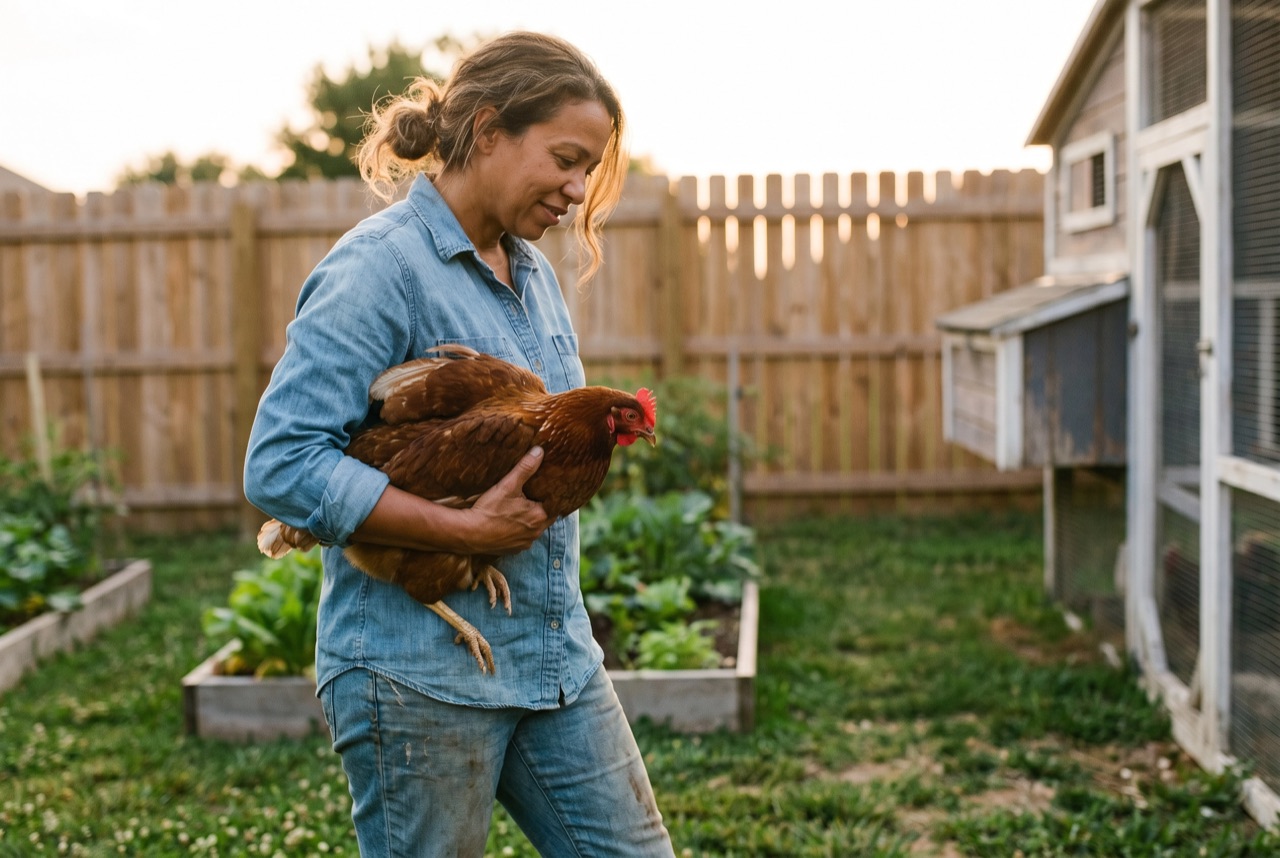
Feeding guides, treat safety, and flock care from people who actually keep chickens.
You're here because you have a question about your girls and the first three results don't quite fit. Maybe the answer was generic. Maybe it was for someone with a different setup. Maybe it just sounded like a textbook. We've been there. This is the page you bookmark when you want a real answer instead of another listicle that could've been written about anyone's flock.
Flock Clock Learn is the running set of field notes from keepers who have spent enough time in the run to know that the questions aren't really about chickens. They're about your chickens. Four Buff Orpingtons in a Vermont backyard eat differently than twenty mixed-age birds with a rooster on two acres in Texas. A new keeper who hasn't seen first eggs yet has different worries than someone six years in optimizing feed cost. Generic advice misses both. We try not to.
What this hub does: it organizes everything we've written by what you're trying to figure out right now. The five categories below, feeding guides, safety, fruits, vegetables, and grains, match the questions that actually come up. If your hen stopped laying, start in feeding guides. If you're staring at a kitchen scrap wondering if it's safe, start in safety or vegetables. If you Googled a specific food, the "can chickens eat X" posts answer that question first and explain the dose-and-form caveats second.
A few specific places we'd send you first. How much feed do chickens need per day, the calculation most keepers want and rarely get clearly. Layer feed vs. all-flock feed, the genuine confusion point for mixed-age flocks. What can chickens not eat, the actual short list, not the bloated internet version. Why did my chickens stop laying, the question that sends everyone here at some point.
The "for your flock" part. Universal advice doesn't fit. Big flocks need different feed math than small ones. Mixed-age flocks have feed restrictions single-age flocks don't have. Hot-climate keepers face problems cold-climate keepers don't. Every spoke article tries to name who it's actually for, and where the answer changes if your setup changes. If you want a recommendation that's wired to your specific inputs instead of an article that assumes everyone's the same, the feed quiz takes about 90 seconds and asks the questions that actually matter: flock size, age mix, climate, what you're optimizing for. The egg cost calculator does the same for the question every keeper eventually asks: am I spending too much per egg? It pulls your real numbers, not national averages.
Below is the running list. Start with whichever question is yours right now.
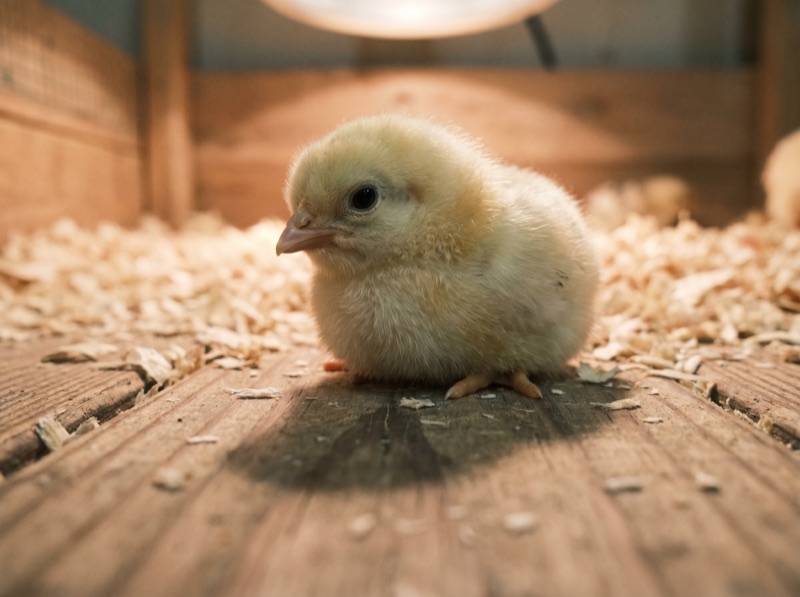
Brooder setup, chick feed, and the first six weeks, without the panic. Most of what you'll find online assumes you already know the basics. This doesn't.
Read the chick care guide →A mix of our most practical guides and treat-safety posts.
Five common reasons your hens stopped laying. Work through them in order and you'll almost certainly find your answer.
ReadRipe tomatoes are safe for chickens. Green parts are not — they're nightshades. Here's where the line is and why it matters.
ReadDuring molt, protein is the whole game. Here's how to bump it, what to cut back on, and how to get your hens through it faster.
ReadWatermelon is safe for chickens and genuinely useful in summer heat. Over 90% water, hydrating, and well-loved. Here's how to use it.
ReadThe real danger list is shorter than the internet makes it. Here's what's genuinely toxic, what's fine in small amounts, and the actual rule of thumb.
ReadYou're probably being too generous with treats. Your hens love you for it. Their egg production does not. Here's why the math breaks.
ReadWhat fruits are safe for your flock — and which ones to skip.
Apples are safe for chickens — just remove the seeds first. They contain amygdalin, which breaks down into cyanide. Everything else is fine.
ReadBananas are safe for chickens — the riper the better. Here's how much to feed, what about the peel, and a winter treat trick.
ReadGrapes are safe for chickens — cut them in half first. Here's how much to feed, why halving matters, and what to watch for.
ReadStrawberries are safe for chickens — leaves, stems, and all. Lower sugar than most fruits. Here's how to offer them and how much is fine.
ReadWatermelon is safe for chickens and genuinely useful in summer heat. Over 90% water, hydrating, and well-loved. Here's how to use it.
ReadGarden scraps, kitchen trimmings, and what actually belongs in the run.
The truth about bread, rice, and other carb-heavy treats.
Chickens can eat bread, but it's mostly empty calories. Here's why it fills them up without helping them, and what to offer instead.
ReadChickens can eat rice — cooked or raw. The old myth about birds and rice isn't true. Here's what to know and how much is fine.
ReadPractical answers on feed, molt, production, and everything in between.
About a quarter pound per hen per day. But how you feed matters as much as how much. Here's the practical breakdown.
ReadYou're probably being too generous with treats. Your hens love you for it. Their egg production does not. Here's why the math breaks.
ReadThe guaranteed analysis panel tells you almost everything you need to know about your chicken feed. Here's what the numbers mean.
ReadDuring molt, protein is the whole game. Here's how to bump it, what to cut back on, and how to get your hens through it faster.
ReadLayer feed vs all-flock feed depends on who's in your flock. Here's how to decide, and when oyster shell on the side is the better move.
ReadFive common reasons your hens stopped laying. Work through them in order and you'll almost certainly find your answer.
ReadWhat to keep away from the run — and what's actually fine in small amounts.
Walk out to the run for sixty seconds. Don't bring food. Just watch. Count your hens. Note which ones come over to investigate you and which ones keep doing what they were doing. That snapshot is your behavioral baseline, the thing you'll compare against the next time something feels off. Most keepers never stop to take it. It's free, and it pays back the first time a hen goes quiet for reasons you can't immediately name.
Get a feeding plan built for your actual hens — not generic advice from the internet.
Take the Feed Quiz60 seconds · Built by keepers, not marketers.